Beginner Strength Moves: A Step-By-Step Guide to Muscle Strengthening
.jpg)
Natalie Stein
CDC Lifestyle Coach, Certified Diabetes Care and Education Specialist, and expert in nutrition, public health, and healthy lifestyle choices


In this article:
- The Physical Activity Guidelines for Americans suggest muscle-strengthening exercises at least twice weekly, but fewer than 1 in 3 adults meet those recommendations.
- To meet guidelines, aim to work each major muscle group twice weekly on non-consecutive days. Each time, try for 2-3 sets of 8-10 repetitions. The target muscle group should be fatigued at the end of each set.
- Proper form is vital for preventing injuries and improving effectiveness. A certified trainer or exercise physiologist can help.
- The American Council on Exercise (ACE) has a searchable exercise library with beginner strength moves. Filter by target muscle group, equipment to use, and experience level.
- To support muscle-strengthening exercises, eat a balanced diet and stay hydrated.
- Talk to your provider before starting a new exercise program.
- Lark is available 24/7 to support your health and weight loss goals with or without GLP-1 medications so you can establish healthy habits for lifelong change.
You may be familiar with recommendations to get at least 150 minutes per week of moderate to vigorous intensity aerobic exercise, but are you familiar with general guidelines for muscle-strengthening exercises? Many people consider walking to be second nature, making it feel simple to achieve their aerobic activity guidelines, but for many people, muscle-strengthening exercises, or resistance training, are less familiar.
You may think of strength training as something for body builders or for athletes training for competition, but it’s actually part of national guidelines for healthy Americans. Muscle-strengthening exercises can build strength, lower blood sugar and blood pressure, and even improve metabolism - but how do you get started?
Here’s what you should know about what the recommendations are for muscle-strengthening and how you can get started. With beginner strength moves and some consistency, you can work your way towards achieving national guidelines for physical activity, and reaping the rewards.
Know the Recommendations
The Physical Activity Guidelines for Americans suggest that healthy Americans perform strength-training exercises for each of the major muscle groups 2-3 times per week on non-consecutive days. Beginners should aim for 2 times per week. Fewer than 1 in 3 Americans meet these recommendations.
These are the major muscle groups.
- Arms
- Legs
- Hips
- Shoulders
- Chest
- Back
- Core
Here are some terms for beginners to learn.
Repetition, or “rep” - one complete movement from start to finish and back to the start. For example, one “rep” of squat might be bending your knees to lower your body, then raising your body back up to your starting, standing position.
Set - a series of “reps” that you perform without resting. A “set” of squats might include 8-10 “reps” of squats. The goal is for the last “rep” in a “set” to be challenging, but still barely possible, with good form. You might aim for 2-3 “sets” for each exercise that you perform on a single day.
Ask your healthcare provider before starting a strength-training program. It’s important to know which exercises are safe for you, and any limitations you may have. Also be sure to use proper form to prevent injuries and achieve results. Ask an expert like a physical therapist or a personal trainer to be sure.
A Source for Muscle-Strengthening Exercises: The ACE Fitness Exercise Library
It’s hard to know where to start when you are strength training. The American Council on Exercise (ACE) can help because it maintains a database of muscle-strengthening exercises. It includes step-by-step instructions, photos, and often videos of different exercises that have been reviewed by certified trainers.
You can use the search function to find exercises you want. Here are some filters you can use.
- Muscle group - identify which muscles you want to work.
- Equipment - you can use body weight or any equipment like medicine balls, kettlebells, resistance bands, or dumbbells, for example..
- Level of experience - beginner, intermediate, and advanced level exercises are available.
Common Beginner Strength Moves
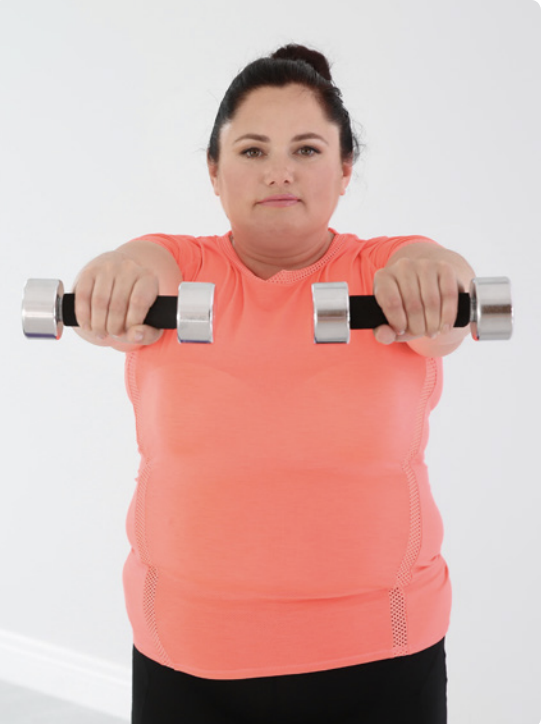
These are some common moves.
Ask your healthcare provider before trying these or other muscle-strengthening moves.
More Tips for Beginner Strength Moves
For the most benefits, it’s important to be consistent and to prevent injuries. Here are some additional tips for making your beginner strength moves work for you.
- Start low. Start with low or no weights. You can always work up slowly, but if you start too high, you can get injured.
- Support with good nutrition, including adequate protein.
- Hydrate throughout the day with water.
- Ask an expert to help you with form.
- Always include a proper warm-up and cool-down to reduce the risk of injuries.
Be sure to talk to your doctor before starting any new exercise program or trying beginner strength moves. Ask about any physical limitations you may have.
Lark Can Help
When you incorporate beginner strength moves into your regular exercise routine, you’re in a better position to achieve physical activity guidelines to support health. Lark can help you stay on top of nutrition and physical activity information for your personal goals. Your Lark coach is available 24/7 for encouragement, nutrition and physical activity coaching, and habit tracking. Lark can help you make healthy choices and establish habits that fit into your lifestyle so you can lose weight and keep it off with or without GLP-1 medications.
Click here to see if you may be eligible to join Lark today!


Lark offers digital coaching and smart devices


1 in 3 people are at risk for diabetes–Lark can help

Grab your insurance card and take a short quiz to see if you can get Lark digital coaching and smart devices at no cost to you.


.webp)