What Is a Chronic Condition - and How Can Your Everyday Habits Help?
.jpg)
Natalie Stein
CDC Lifestyle Coach, Certified Diabetes Care and Education Specialist, and expert in nutrition, public health, and healthy lifestyle choices


In this article:
- A diagnosis of a chronic condition can feel overwhelming, but it may help to learn that your everyday choices can make a difference in the course of your condition.
- About 3 in 4 American adults have at least one chronic condition, with the most common ones including cardiovascular disease, hypertension, cancer, and diabetes. Obesity is another chronic condition that raises the risk of some other conditions.
- Your daily choices can affect the course of your chronic condition. Habits that can help manage chronic conditions often include taking medications as prescribed, self-monitoring measures like blood sugar or blood pressure if a doctor suggests it, managing weight, being physically active, and attending doctor’s appointments.
- Managing a chronic condition can feel like a lot, but small steps can make a difference.
- Lark can help you establish habits to help you manage chronic conditions.
- Lark can support you 24/7 as you make healthy choices to lose weight and manage blood s
Learning that you have a “chronic condition” can feel like a lot. You might think about going to doctor’s appointments, taking medications, getting endless lab tests, and how your condition might affect your daily life. You might worry that your condition may define you. But there’s a lot you can do to affect the course of your chronic condition - and simple, everyday habits can help.
Chronic conditions are common. Even though they may not always be curable, they can often be managed to slow progression or reduce effects. Healthy choices, like taking medications as prescribed, following doctor’s recommendations around appointments and lab tests, and making healthy lifestyle choices, can often make a significant impact. Here’s what to know about what chronic conditions are and what everyday choices you can make to support your health.
What Counts as a Chronic Condition - And How Common Are They?
The Centers for Disease Control and Prevention (CDC) includes health conditions that “last 1 year or more and require ongoing medical attention or limit activities of daily living or both.” The CDC reports that 3 in 4 American adults have at least one chronic condition, and 1 in 2 adults have at least 2 chronic conditions. In addition, 9 in 10 adults over age 65 years have at least one chronic condition.
These are examples of chronic conditions.
You may not be able to make a chronic condition go away, but you can often manage it well. Treatment and everyday habits can help you feel better and protect your health.
What Causes Chronic Conditions?
Chronic conditions have many possible causes.
Often, more than one factor contributes to a chronic condition. For example, someone may have a family history of high blood pressure, which can increase their genetic risk. They might also experience a lot of stress and have a sedentary lifestyle. All of these factors can contribute to the development of high blood pressure - but managing stress and increasing physical activity are things the person can control.
Understanding What It Means to Manage Chronic Conditions: The Clinical Side
Managing a chronic condition includes partnering with your clinical care team for the foundation, as your daily choices can support that foundation to promote long-term health.
Your clinical care team may include your primary care doctor, specialists like cardiologists or endocrinologists, nurses, dietitians, and mental health professionals. Your care plan may include these components.
- Routine medicare care like regular healthcare appointments, recommended screenings and immunizations, and lab tests. These let you and your care team track progress and adjust your care plan if needed.
- Medication adherence means taking any prescribed medications as instructed. This helps control conditions like high blood pressure, high blood sugar, or high cholesterol.
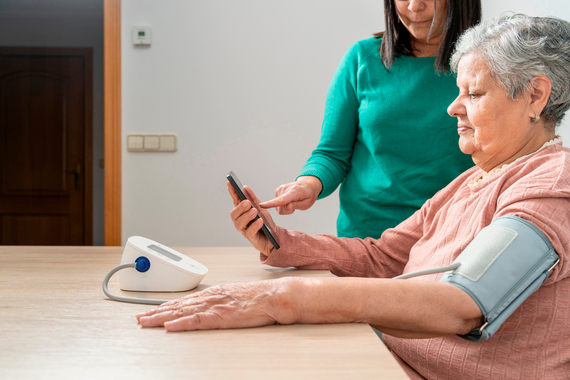
- Biometric monitoring means tracking health measures like blood pressure, blood sugar, or weight. Your healthcare provider might ask you to take measurements regularly at home to track how well your treatment plan is working.
Your clinical or medical care plan can do a lot, but your everyday habits also have a major impact. The CDC explains that along with your treatment plan, daily choices like eating a nutritious diet and being physically active can help you manage your chronic condition.
Managing Chronic Conditions: Everyday Habits and Your Health
An article in the journal Nutrients explains that lifestyle choices like nutrition, physical activity, and sleep have an important impact on chronic condition management. The CDC lists these and other daily choices as being important for preventing and managing chronic conditions.
Here are some everyday habits that are linked to maintaining better health.
- Managing weight - losing excess pounds if you’re overweight can improve blood sugar, blood pressure, and cholesterol levels
- Being physically active - recommendations to get at least 150 minutes per week of moderate-intensity physical activity plus engaging in muscle-strengthening exercises apply to most adults
- Breaking up sedentary time - aim to stand up and move lightly for at least 1-2 minutes for every 30 minutes that you sit throughout the day
- Choose a nutritious diet - look for vegetables, fruits, whole grains, lean proteins, healthy fats, and reduced-fat dairy products, while limiting ultra-processed foods, sugar-sweetened foods and beverages, fatty and processed meats, and fried foods
- Getting adequate sleep - a healthy sleep routine can include setting aside enough hours for sleep, waking up at a consistent time, and following a regular bedtime routine
- Avoiding tobacco - quitting smoking or avoiding tobacco has immediate health benefits - ask your healthcare provider for quitting resources if you need them
- Staying consistent - taking medications as prescribed and following healthy habits are easier when you are on a consistent routine.
Do you need motivation to make healthy lifestyle choices? Here are just a few numbers to show how much everyday choices can matter in chronic conditions.
Sources include American Diabetes Association, American Heart Association/American College of Cardiology, Archives of Cardiovascular Disease
These are examples of results researchers have seen in groups of people. They don't predict exactly what will happen for you. Your results can vary based on your health, medications, starting point, and other factors.
It’s important to remember that lifestyle habits are in addition to medical care - not a replacement for it. Keep up with your doctor’s recommendations and never stop taking your medications without consulting your doctor first.
Keeping a Chronic Care Routine Manageable
Managing your chronic condition or conditions can be a lot to take on. It can often feel overwhelming. The good news is that there’s a lot you can do to make it easier and more sustainable.
Here are some common challenges with managing chronic conditions.
- Keeping up with appointments, medications, lab tests, and home measurements can be exhausting
- Making different food choices during social events can be hard
- Progress can be unpredictable or hard to recognize
- Thinking about health can make you feel discouraged, anxious, or overwhelmed
- Lifestyle changes like eating better, being more physically active, and focusing on sleep can be hard to sustain
- Medications can be expensive or have side effects
Small steps can make a big difference - both in your health and in being able to keep up your changes long-term to manage your chronic condition.
You don’t have to do it all at once, and you don’t have to do it alone. Small steps can be the path to establishing lasting habits around key behaviors like taking medications, attending medical appointments, monitoring weight, blood sugar, or blood pressure, and making healthier lifestyle choices.
Lark’s Digital Coach Can Help
A personal health coach can help translate medical guidelines into actionable steps that are doable for you. Lark’s digital coach is a compassionate, always-available coach that can help you work towards your health goals. With logging, tracking, targeted education, and support whenever you need it, Lark can help you manage your chronic condition. The focus is on turning small steps into long-term habits to make it easier and more effective when you’re managing your chronic condition. The exact Lark program that you are eligible for can depend on your chronic conditions and healthcare coverage.
Compassionate, personalized coaching can help you reach your weight loss and health goals - and you may be eligible for Lark’s digital coaching at no cost to you. Your Lark coach is available 24/7 for encouragement, nutrition and physical activity coaching, and habit tracking. Lark can help you make healthy choices and establish habits that fit into your lifestyle so you can lose weight and keep it off with or without GLP-1 medications.
Click here to see if you may be eligible to join Lark today!


Lark offers digital coaching and smart devices


1 in 3 people are at risk for diabetes–Lark can help

Grab your insurance card and take a short quiz to see if you can get Lark digital coaching and smart devices at no cost to you.


.webp)



.jpg)