


How You Can Master Portion Control for Real Results—Without Effort, Hunger, or Deprivation
.jpg)
Natalie Stein
CDC Lifestyle Coach, Certified Diabetes Care and Education Specialist, and expert in nutrition, public health, and healthy lifestyle choices


In this article:
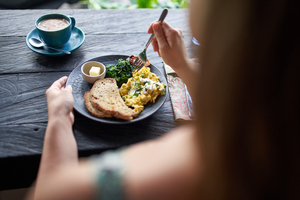
Eating proper portions can help you lose weight and improve your health.
- The “right-sized” portions don’t have to be smaller or leave you hungry. Having more vegetables and lean protein in place of larger portions of processed foods like fast foods, fried foods, and sugar-sweetened beverages and foods can keep you full without adding pounds.
- It can be simple to serve proper portions, even if you don’t want to use a kitchen scale or measuring cups of spoons.
- The Plate Method is a guide for filling up your plate with vegetables, lean protein, and high-fiber carbs for balanced meals.
- You can also use visual guides for portion control to estimate how much to eat.
- Other tips for matching how much you eat to how much your body needs including noticing hunger and fullness cues, eating slowly and mindfully, and pausing before taking second helpings to check whether you’re still truly hungry.
- Lark can support you 24/7 as you make healthy choices to lose weight and manage blood sugar, blood pressure, or other conditions with or without GLP-1s.
What do you picture when you think about losing weight or eating right for health? Many people think of tiny portions, food scales, gnawing hunger, calorie or carb counting, and no more favorite foods. Thankfully, this image doesn’t have to become reality for you to hit your goals!
It’s true that portion sizes are absolutely critical for managing weight and health, but it doesn’t have to be hard. Whether you’re looking to lose weight or manage blood sugar or blood pressure, here’s what you should know about why portion sizes matter, how you can stick to appropriate portions without stress or too much hunger, and how treats can fit right into your plan.
Why Portions Matter for Weight Loss and Health
For weight or health, a healthy eating pattern comes down to two things: what you eat, and how much you eat. Choosing nutrient-dense foods will get you closer to your goals than having fast foods, fried foods, and refined carbs like sugars and refined starches, but how much you eat is also crucial.
First, think about calories. Oversized portions have more calories than smaller portions. It’s important to get enough calories to fuel your body, but extra calories lead to extra pounds - making it harder to hit your weight goals.
In addition, too many calories - whether from carbohydrates, protein, or fat - can spike blood sugar, increase fat storage, and challenge blood pressure and heart health. Overeating can also lead to digestive discomfort - an issue we can feel soon after eating!
The Secret to Healthy Eating Without Hunger: Volume Eating
Many people think “portion control” means “going hungry,” but choosing proper portions actually includes satisfying hunger! It’s about balance. Keeping portions in check may mean having smaller portions of certain foods - think French fries, cheesecake, and pasta - but it can also mean having larger portions of certain foods - think roasted broccoli, watermelon, and shrimp, for example.
In other words, the goal is to fill up on foods that have a large serving size, and a low amount of calories. Think about foods with a lot of water, some protein or fiber, and not much fat, like these types of foods.
- Raw vegetables or vegetables that are cooked plainly, such steamed, grilled, or roasted - without fats or sauces
- Lean proteins - like fish, egg whites, skinless chicken, beans, and shellfish - that are broiled, baked, or grilled without sauces or fats
- Low-fat cottage cheese and non-fat plain yogurt
- Fresh fruit
Use the above foods to replace foods that are higher in calories and have a smaller serving size. Examples include baked goods, sweets, fried foods, fast food, fatty meat, and full-fat cheese. Some foods - think oils, peanut butter, nuts, and avocado - have essential nutrients and antioxidants. It’s best to keep these in your meal plan - just in moderation.
When you follow these guidelines, it’ll be easier to feel full, so you can stick to your plan. And - bonus - foods that are lower-calorie and larger-portion are also usually higher-nutrient - so you’ll be getting extra nutrition when you choose these more often!
Here’s more info on small swaps to make a healthier, more filling plate for easier weight loss and energy support.
Now that we’ve covered basic patterns like having larger portions of vegetables and lean proteins, and smaller portions of processed, low-nutrient foods, let’s talk about ways to get proper portions without much measuring.
The Plate Method: A Simple Guide to Balanced Portions Without a Scale
The Plate Method is one of the easiest ways not only to get proper portions, but to get a balanced plate every time without weighing foods or using measuring cups or spoons. It’s from the American Diabetes Association to help balance meals for managing blood sugar, but it can also help with portion control.
The Plate Method fills a plate like this.
| Plate Amount & Food Type | Why It Matters | Examples of Foods |
|---|---|---|
| ½ of the Plate: Non-starchy Vegetables | Fills you up with fiber and water without spiking blood sugar or adding heavy calories. | Broccoli, spinach, tomatoes, onions, carrots, bell peppers, salad greens, cauliflower. |
| ¼ of the Plate: Lean Protein | Keeps you feeling full for hours, protects muscle, and helps manage blood pressure. | Grilled chicken, turkey, fish, shrimp, tofu, eggs or egg whites, beans. |
| ¼ of the Plate: High-Fiber Carbohydrates | Gives your body steady, long-lasting energy instead of a quick blood sugar crash. | Brown rice, quinoa, sweet potatoes, whole-wheat pasta, oats, fresh fruit (like berries or apples). |
| Small Amount (on the side/top): H Here’s more information about using the Plate Method for meal planning. Visual Objects and Hand Guide: Another Way to Measure Food Portions Without a ScaleThe Plate Method is a great meal planning tool, but there are other easy ways to get balanced meals with proper portions without a scale or measuring cups or spoons. For example, you can use familiar home objects, or even your hand, to estimate portion sizes. No matter where you are, from your kitchen at home to outdoor barbecues or restaurants, you can be confident that you can serve the right portions for yourself. Here are common food groups and how to estimate smart portions. Read more about proper portions and smart servings for weight loss and health. More Tips for Easier Portion Control - Portions and Treats to Match Your Appetite and NeedsNow you know the basics of proper portions without hunger, like upping the amounts of vegetables that you take, and swapping in less processed, more nutritious foods for highly processed, less nutritious foods - think whole grains instead of refined grains, and fresh berries instead of a berry pie. We’ve also covered sneaky ways to measure portions - for example, using the Plate Method or checking the size of your hand or household objects instead of needing a food scale or measuring cups or spoons. Here are more tips for keeping portion control as easy as can be so that it can be a sustainable part of your lifestyle. Keep in mind that the longer you can keep up a healthy habit, the more benefits you’ll get from it. Tip: Eat MindfullyMindful eating is a double win. It lets you enjoy your food more, and it helps you eat less naturally. Mindful eating includes using your senses to notice everything about your meal: what you’re eating, how your body feels, and what’s around you.
Another tip is to remember that proper portions are proper for you - so include your own body’s opinion as you decide how much to eat! Eat when you are hungry, and stop when you are just barely full. Here are some ways to help yourself get in tune with your hunger and fullness levels.
You can also promote fullness by drinking a cup of water before the meal and filling your plate with vegetables before other foods. Serve Proper Portions and Eat Healthy with LarkNow that you know what proper portions are and some ways to find them without kitchen scales or measuring cups or spoons, make the most of your efforts. Log your meals and snacks in Lark every day. When you log with Lark, you can stay aware of your portions. That lets you always know how much you’re eating and where you might be able to make changes. In addition, logging what you eat and drink helps you feel accountable, so you’re more likely to keep making healthy choices about what to eat and how much to eat. Logging is easy in Lark. It takes just a few minutes not only to log, but to chat with your Lark coach about what you logged, including portion sizes and nutrients. No matter where you are, or when you eat, you can log with Lark and get instant feedback. Lark Can HelpProper portions can help you reach your weight loss and health goals, and it can be simple and low-effort. Lark can help you stay on track with portion sizes and nutritious foods as you log, track, and chat. Your Lark coach is available 24/7 for encouragement, nutrition and physical activity coaching, and habit tracking. Lark can help you make healthy choices and establish habits that fit into your lifestyle so you can lose weight and keep it off with or without GLP-1 medications. Click here to see if you may be eligible to join Lark today! Calorie and nutrient information in meal plans and recipes are approximations. Please verify for accuracy. Please also verify information on ingredients, special diets, and allergens.    Lark offers digital coaching and smart devices   1 in 3 people are at risk for diabetes–Lark can help Grab your insurance card and take a short quiz to see if you can get Lark digital coaching and smart devices at no cost to you. Similar posts  Healthy Recipes from LarkLark healthy recipe database - find low-carb, high-protein, breakfasts, lunches, dinners, and snacks for all occasions. Learn more   How We Label Our RecipesExplore Lark’s recipe standards and dietary filter guidelines, covering low-carb, sodium-conscious, plant-based, gluten-free, and nutritional highlights. Learn more   Top Ways to Lower Blood Sugar - and How to Make Them Work for YouLearn how to lower blood sugar with practical daily habits, including healthy eating, physical activity, weight management, sleep, hydration, and stress management. Make them work for you! Learn more |


.webp)


.jpg)