Want more tips and tricks for reaching your health goals? Join Lark!

Take our 2-minute survey to find out if you’re eligible to join Lark which includes a smart scale and the chance to earn a Fitbit®.
Start now
*Terms and conditions apply
Close icon

Does your insurance cover daily coaching and a smart scale from Lark?

Find out now with our 2-minute eligibility quiz!
Check my eligibility
Close icon
< Back to Member Blog
< Back to Industry Resources

Making Food Your Friend: A New Approach to Healthy Living

Natalie
Stein
June 23, 2026
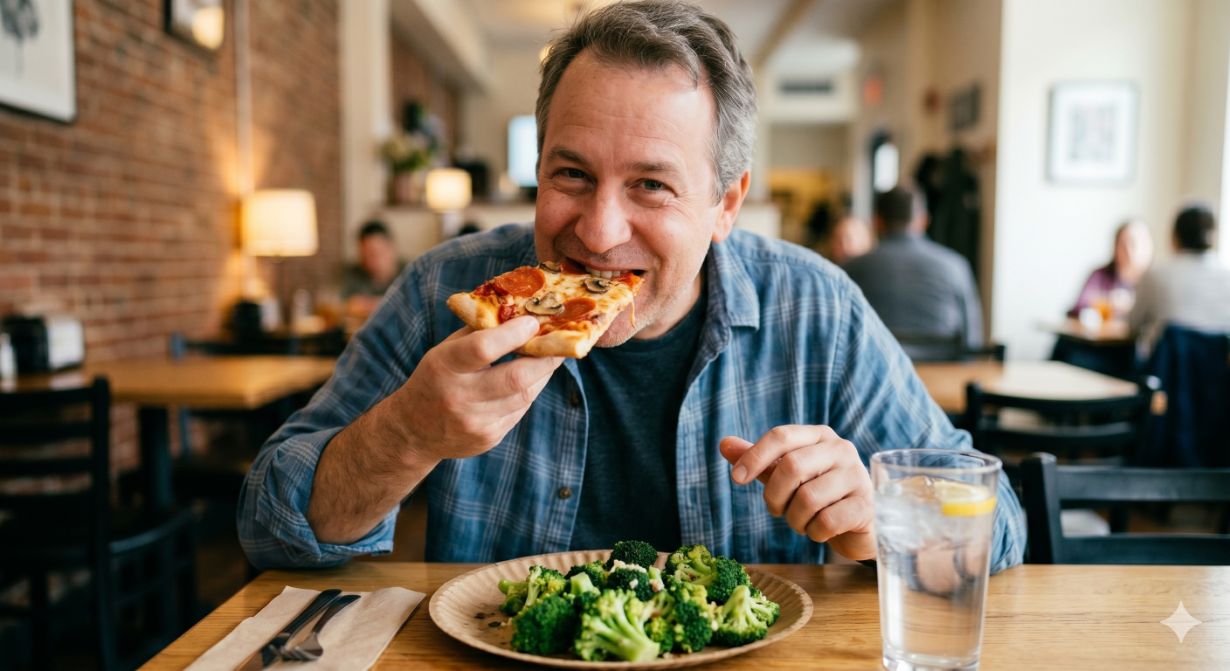
Planning for regular treats and lots of nutritious meals can help you keep food as a friend.
Lark

Are you at risk of prediabetes?

Lark can help lower your risk for Type 2 Diabetes through healthy habit formation, and data tracking.
Height: 5 ft 4 in
4' 0"
7' 0"
Weight: 160 lbs
90 lbs
500 lbs
LOW RISK
Risk Level
Thank you! Your submission has been received!
Oops! Something went wrong while submitting the form.

What could 15% weight loss mean for you?

Feel more energetic and significantly reduce your risk of chronic conditions like diabetes and cardiovascular disease.

By clicking the button above, you agree to the Lark Terms & Conditions, Privacy Policy, and SMS Terms.

Current Weight: 250 lbs
120 lbs
500 lbs
Your weight loss could be*
- - lbs
Your new weight: -- lbs
Am I eligible?

By clicking the button above, you agree to the Lark Terms & Conditions, Privacy Policy, and SMS Terms.

*Results may vary. Based on the average weight loss in three, 68-week clinical trials of patients without diabetes who reached and maintained a dose of 2.4mg/week of GLP-1 treatment, along with a reduced-calorie diet and increased physical activity. View study here.
Thank you! Your submission has been received!
Oops! Something went wrong while submitting the form.

In this article:

  • Shifting from a "foe" mindset to a "partnership" mindset can support longer-term success for weight and health management
  • You can use nutrients like fiber and protein to manage hunger and satiety hormones to support your efforts to lose weight or manage chronic conditions
  • Focus on nutrient-dense, healthy foods to replace less healthy foods can help you shift your attitude from feeling deprived to feeling empowered when it comes to food choices. 
  • Over time, your taste buds may change so that healthy choices like naturally sweet foods or low-sodium herbs and spices may seem more appealing.
  • Mindful eating can help reconnect with natural hunger cues and reduce emotional eating.
  • Lark can support you 24/7 as you make healthy choices to lose weight and manage blood sugar, blood pressure, or other conditions with or without GLP-1s. 

How’s your relationship with food? Is food your friend, your foe, or something else? Everyone has to eat, so we all have a relationship with food.

For many people who are focused on managing weight or living healthy, it can feel like food gets in the way of goals. We’re used to hearing about what we shouldn’t eat, or that specific foods can drive up weight, blood sugar, or blood sugar. But it’s possible to turn around a relationship with food. 

With a shift in attitude, food can become a friend. It can support health, energy, and well-being. It can be a source of joy, comfort, and even connection. 

Here are some ways to make food your friend. 

From Enemy to Ally: Look for Benefits from Food

Food can do so many positive things for health and well-being. So that food can do more for your body and spirit, look for beneficial nutrients when you can. 

To get more… Because they can… Choose more… And less…
Heart-healthy fats Lower cholesterol levels
Improve blood sugar control
Support brain health
Nuts, peanuts, seeds, avocado, and vegetable oils Butter, hydrogenated oils, shortening
Lean protein Repair body tissues
Promote fullness
Maintain muscle mass
Fish, skinless poultry, beans, lentils, tofu, and reduced-fat dairy Fried meats, high-fat cold cuts, sausage
Antioxidants Reduce inflammation
Protect cells from damage
Support immune function
Berries, dark leafy greens, and colorful peppers Highly processed snacks with artificial colors
Dietary fiber Diabetes Spectrum

You can practice listening to your body’s hunger and fullness cues by using a hunger and fullness scale such as the following. 

Rating How you feel Action
1 Starving weak, dizzy, or irritable; "danger zone" for overeating
2 Very hungry stomach is growling; urgent need to eat
3 Hungry ready to eat; stomach feels empty; the ideal time to start a meal
4 Slightly hungry thinking about food; could eat but can wait
5 Neutral satisfied; neither hungry nor full
6 Pleasantly full comfortable; the "gold standard" for stopping a meal
7 Full feeling a bit heavy; definitely time to stop
8 Very full eating for hunger. 

Avoid Deprivation: Replacing Habits Instead of Eliminating

All too often, we think about healthy eating in terms of denial. There’s the doughnut we shouldn’t have, the pizza we can’t eat, and the pasta that we’re giving up because we’re giving up carbs. 

But denial is difficult! Instead, it’s easier to replace. Think about it in terms of friends. 

Consider a group of people you associate with who are bad influences or who just aren’t fun to be around. You decide not to hang out with them, but what do you do? One option is to be alone, but that’s no fun! A better option is to find a more positive friend or group of friends to spend time with. 

Just like you replace bad friends with good ones, replace less healthy foods and habits with healthier ones. Instead of avoiding fried chicken, think about choosing oven-baked whole-grain chicken fingers. Instead of giving up chocolate ice cream, think about adding sliced frozen bananas dipped in dark chocolate. Instead of skipping French fries, think about adding colorful and crunchy rainbow baby carrots.

This approach even works for grocery shopping and ordering at restaurants. Use a shopping list at supermarkets so you’re only thinking about what you want to put in your cart, not about what you want to keep out of your cart. And, identify healthy options at restaurants that you want to order, and not less healthy options that you don’t think you should order. 

Keep It Simple

Sometimes it’s fun to plan special events with friends, but the friends most of us spend the most time with are the ones we can just relax with. It’s simple and makes us feel good. 

Food can be like that, too. An occasional elaborate meal can be a fun experience, but most of us want to keep our meals easy and simple. It’s possible to have nutritious, balanced meals without much planning when you use tools like the Plate Method. 

The balanced plate method
1/2 plate: Non-starchy vegetables
  • Spinach, kale, & arugula
  • Broccoli & cauliflower
  • Bell peppers & tomatoes
  • Asparagus & green beans
  • Zucchini & mushrooms
1/4 plate: Healthy carbs
  • Quinoa or brown rice
  • Sweet potato (with skin)
  • Lentils or chickpeas
  • Steel-cut oats
1/4 plate: Lean proteins
  • Skinless chicken or turkey
  • Salmon, tuna, or tofu
  • Eggs or egg whites
  • Greek yogurt (unsweetened)
Add-on enhancements (Include regularly):
Healthy fats: olive oil, avocado, vinaigrettes • Fruit: berries, small apple • Dairy: low-fat milk, skim ricotta

Tap here for more information about the Plate Method and how to use it. 

Skip the Drama: Strategies for Stress and Emotional Eating

A good friend helps you stay strong when you face challenges, while bad friends can add to your problems. Food can be similar. 

Eating healthy can boost strength and increase clarity so it’s easier to address challenges that come up. On the other hand, stress eating and emotional eating can make you feel more stressed and interfere with your ability to manage health and weight. They can lead to fatigue and guilty feelings, too. 

It’s usually more productive and healthier to eat for hunger, not to manage feelings. Balanced meals with nutrient-dense foods and portion control can support stable energy and reduce cravings. When it comes to managing stress, Mayo Clinic mentions these techniques.

  • Being physically active
  • Connecting with others
  • Laughing
  • Meditating
  • Saving time for yourself instead of overcommitting to others 

In addition, it’s good to think of food as nutritional support for life. Eat balanced meals to keep blood sugar, energy levels, and brainpower stable. This makes you better able to prevent cravings, avoid emotional eating, and manage stress. 

Here are strategies for managing cravings and stress eating

Quit Judging: Foods Aren’t All “Good” or All “Bad”

It’s a good idea not to judge your food as “good” or “bad.” When you do, you’re setting yourself up for feeling “bad” about yourself if you eat certain foods.

When you stop labeling foods as “good” or “bad,” you’re more likely to do the following.

  • Get right back on track even if you eat some high-calorie or low-nutrient foods occasionally. 
  • Avoid internal conflicts between “wanting” a “bad” food versus feeling like you “should” choose a “good” food.
  • Feel empowered to make decisions that are healthy for your body and mind. 

When you don’t label foods as “good” or “bad,” you’re also less likely to label yourself as “good” or “bad” for eating certain foods. That can free you from feeling guilty. 

Harvard School of Public Health describes eating patterns that emphasize whole foods and may support weight management, blood pressure control, and more health indicators.  

Lark Can Help

Food can be one of your strongest allies and most powerful tools for losing weight and managing chronic conditions. Lark can help you make friends with food. Your Lark coach is available 24/7 for encouragement, nutrition and physical activity coaching, and habit tracking. Lark can help you make healthy choices and establish habits that fit into your lifestyle so you can lose weight and keep it off with or without GLP-1 medications. 

Click here to see if you may be eligible to join Lark today!

Calorie and nutrient information in meal plans and recipes are approximations. Please verify for accuracy. Please also verify information on ingredients, special diets, and allergens.

About Lark

Lark helps you eat better, move more, stress less, and improve your overall wellness. Lark’s digital coach is available 24/7 on your smartphone to give you personalized tips, recommendations, and motivation to lose weight and prevent chronic conditions like diabetes.

Check my eligibility

Get healthier with Lark & earn a Fitbit®

Lose weight, get more active, and eat better.
take 1-minute survey

See if Ozempic® is covered by insurance

Curb cravings and reach your weight loss goals!
AM I ELIGIBLE?

Similar posts

Summer can be fun and healthy - create your action plan to keep up your. momentum!Summer can be fun and healthy - create your action plan to keep up your. momentum!

Lark Webinar Summer Momentum Worksheet

Use this worksheet to plan your healthy summer and keep up your momentum!

Learn more
Fresh vegetables, nutritious dips, and plain popcorn can be satisfying summer snacks. Fresh vegetables, nutritious dips, and plain popcorn can be satisfying summer snacks.

Summer Snack Swaps: Staying Cool, Healthy, and On Track

Beat the summer heat without spiking blood sugar or pressure. Discover healthy snack swaps to stay on track with weight loss, manage diabetes, and enjoy delicious, nutrient-dense summer favorites.

Learn more
Notice scents, textures, and flavors of foods to enjoy them more and be healthier. Notice scents, textures, and flavors of foods to enjoy them more and be healthier.

Mindful Eating: A Powerful Tool for Managing Blood Sugar, Blood Pressure, and Weight

Manage blood sugar, blood pressure, and weight with mindful eating. Learn to decode hunger cues, slow down, and use your senses to build a healthier, more positive relationship with food today.

Learn more