Small Changes, Big Impact: How to Keep Your Healthy Habits This Thanksgiving

Natalie Stein
CDC Lifestyle Coach, Certified Diabetes Care and Education Specialist, and expert in nutrition, public health, and healthy lifestyle choices


In this article:
- Healthy lifestyle changes can reduce the risk of developing type 2 diabetes, but it can feel challenging to keep up your healthy changes on and around Thanksgiving.
- You can keep up your healthy choices at this time of year by making small changes to your typical Thanksgiving habits.
- Look for chances to add fiber-rich foods and lean proteins to fill up.
- Keep logging and tracking to stay aware and mindful.
- One of the most important steps you can take to support healthy blood sugar is to get back to your regular routine after Thanksgiving dinner. Manage leftovers, stay active, and get plenty of sleep over Thanksgiving weekend.
- Lark can support you 24/7 as you make healthy choices to lose weight and manage blood sugar, blood pressure, or other conditions with or without GLP-1s.
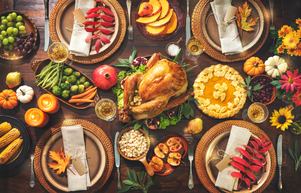
Thanksgiving is a chance to celebrate and be grateful, while keeping up healthy habits from the rest of the year. Think of Thanksgiving as an opportunity to adjust those habits to fit into the day and weekend.
Small changes in what you eat, how much you move, and keeping on top of logging and tracking can make a difference. Whether you’ve been building healthy habits for years, or you’re just getting started, you can keep up your momentum. Here are ways to support healthier weight and blood sugar this Thanksgiving while you enjoy the holiday.
1. Focus on vegetables.
Non-starchy vegetables are low in calories and high in nutrients. It’s a good idea to fill half your plate with vegetables - which may be a habit the rest of the year. At Thanksgiving, look for items like green salads and roasted vegetables like brussels sprouts. Before the meal, look for raw vegetables to munch on.
2. Look for fiber-rich foods.
Fiber helps fill you up and stabilize blood sugar. In addition to non-starchy vegetables, year-round choices might be whole grains like whole-grain pasta and whole-wheat bread, beans, and starchy vegetables like sweet potatoes and peas. On Thanksgiving, you might be able to spot whole grains like brown rice, sides with beans, and starchy vegetables like creamed corn, roasted acorn squash or sweet potatoes.
3. Include lean proteins.
Most meals and snacks can include a lean source of protein to help you stay full and support muscle mass. Low-fat cottage cheese, fish, egg whites, and beans are examples of lean proteins. A traditional Thanksgiving table may have a turkey - and that’s good news for lean protein. Just take off the skin before you eat it.
4. Shift portions to stay full but not heavy.
It’s okay to have your holiday favorites, but think of them the way you think of treats throughout the year. Keep portions in check. To prevent hunger, add larger portions of lower-calorie, higher-nutrient foods.
Here are some ideas for shifting portions.
- Fill up most of your plate with salad and turkey.
- Add small portions of your favorite sides - like stuffing, sweet potato casserole, and green bean casserole.
- Take only one-third of a full slice of desserts like pie or cheesecake.
- Slowly sip hot coffee or tea while others are eating desserts.
5. Use last-minute meal planning tricks when you need to.
A good rule of thumb for everyday portion control is to use the Plate Method - fill half your plate with non-starchy vegetables, one-quarter of your plate with lean protein, and the other quarter of your plate with a high-fiber carbohydrate like a whole grain or starchy vegetable. The rest of your meal can include things like low-fat dairy products, fruit, and small amounts of healthy fat.
It can be trickier on Thanksgiving, but you can still keep the “Perfect Plate” in mind as you serve yourself. Here are some common choices for the different components of your plate.
- Vegetables - green salad, sauteed greens, roasted brussels sprouts, roasted root vegetables
- Lean protein - skinless turkey, skinless chicken, tofu, bean-based meat substitutes
- High-fiber carbohydrate - roast potatoes or sweet potatoes, creamed corn, baked acorn squash
- Nutritious additions - small amounts of cheese or nuts as toppings, small portions of olive oil or vinaigrette dressing, fresh fruit
6. Drink plenty of water.
Water supports healthy blood sugar by diluting blood sugar and improving your body’s response to insulin. You might have established tricks for getting enough water on typical days - such as carrying around a water bottle and drinking in response to cues like taking your morning break or getting off of work.
On Thanksgiving, schedules can be shifted, making you less likely to drink automatically. Try setting a timer to remind yourself to drink regularly throughout the day. It’ll help prevent fatigue and headaches from dehydration, and it’ll prevent you from feeling hungry when you’re actually thirsty.
7. Choose water or low-calorie beverages.
Have you gotten in the habit of choosing water instead of sugar-sweetened beverages like soft drinks, sweet tea, and flavored coffee? It’s a good idea - every time you choose water instead of 8 ounces of a sugar-sweetened beverage, you’re cutting about 25 grams of sugar and 100 calories.
It’s the same on Thanksgiving. When you can, opt for water, black coffee, or unsweetened tea instead of mulled wine, punch, cider, or other sugar-sweetened or alcoholic beverages. They’re better for blood sugar, hydration, and weight.
8. Eat intentionally.
Intentional eating can help increase the pleasure you get from eating, while helping you eat less and add nutrients. It’s a good idea to serve yourself into a plate or bowl, then sit down with your meal or snack before eating. This helps prevent mindless grazing, which can add up to large amounts of extra and unnoticed calories - bad news for weight and blood sugar!
To prevent grazing at Thanksgiving, focus on your food. Eat only while seated at the table or another designated eating area, such as in the living room if you’re a guest at someone’s party. Serve yourself on a plate or bowl, and eat only that helping. Then pause for a while before going back for more to see if you’re truly hungry.
9. Enjoy special treats, then return to typical habits.
Any long-term plan includes treats to prevent feelings of deprivation. This allows you to enjoy favorite foods and special occasions like parties, celebrations, and restaurant outings. Before and after your indulgence, you can follow your typical eating plan.
This is true with Thanksgiving, too. One meal won’t cause diabetes or long-term weight gain. Plan which special or favorite foods you’ll have on Thanksgiving, and stick to nutritious choices for the rest of the meal. And if you go overboard, shake it off. Just go back to eating healthy at your next meal.
10. Make healthy foods the most convenient choice.
You’re more likely to choose healthy foods when they’re more convenient and visible than less nutritious choices. For most of the year, that might mean prepping vegetables, lean proteins, and other meal and snack components ahead of time, and keeping them at the front of the pantry, fridge, or freezer. That way, they’re ready when you need them, and they’re easy to see. When possible, keep less healthy options - like processed snack foods and fast food - out of the home or packed up tightly and stored at the back of the pantry, fridge, or freezer.
Keep the same pattern on and around Thanksgiving, especially when thinking about leftovers. Have more nutritious choices - like cut salad greens, leftover turkey, and roasted sweet potatoes - front and center. Get other leftovers - like stuffing, green bean casserole, and pie - out of your home if possible by sending them home with guests. Anything that’s left should be packaged tightly and pushed back - way back - in the freezer. Try leftovers in recipes like turkey sandwiches on whole-grain bread, turkey kale soup, or any of these healthier holiday leftover recipes.
Lark Can Help
Smart choices on and around Thanksgiving can help you keep up healthy momentum that you’ve gained through the year. Keep using Lark to log food, stay accountable, and learn tips and tricks for small steps for big gains. Your Lark coach is available 24/7 for encouragement, nutrition and physical activity coaching, and habit tracking. Lark can help you make healthy choices and establish habits that fit into your lifestyle so you can lose weight and keep it off with or without GLP-1 medications.
Click here to see if you may be eligible to join Lark today!


Lark offers digital coaching and smart devices


1 in 3 people are at risk for diabetes–Lark can help

Grab your insurance card and take a short quiz to see if you can get Lark digital coaching and smart devices at no cost to you.